


Brand awareness shapes how consumers perceive and recognize a business in a crowded marketplace. The spark makes a company memorable, turning fleeting encounters into lasting impressions.
When executed strategically, content marketing becomes a powerful tool to amplify this awareness, forging connections with audiences and establishing a brand’s voice.
This guide explores expert strategies for leveraging content marketing to boost brand recognition, providing actionable insights for businesses seeking to differentiate themselves.
The Basics of Content Marketing
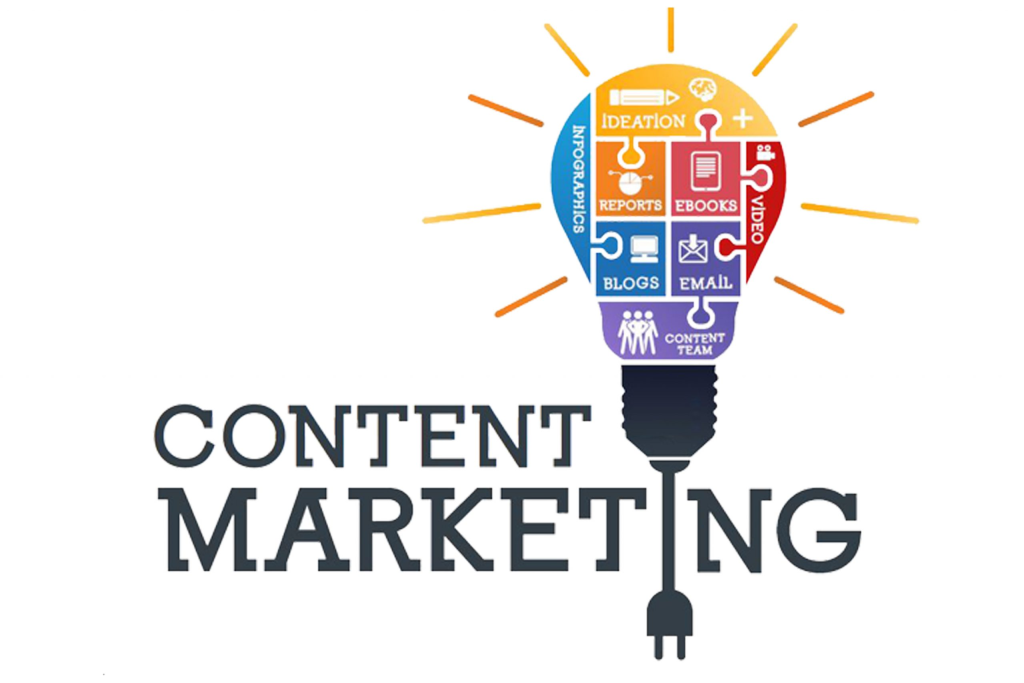
The heart of content marketing lies in creating high-quality, informative, and engaging content that resonates with its audience. This can take various forms, including blog posts, articles, videos, infographics, podcasts, and other digital content.
The key is to choose formats that align with your audience’s preferences and the nature of your message.
When developing content ideas, focus on topics that address your audience’s challenges, answer their questions, or provide valuable insights related to your industry.
For example, a digital marketing agency in Markham might create a blog post titled “Top Social Media Trends for Small Businesses in 2025.” This topic appeals to a broad audience of small business owners while naturally positioning the agency as a knowledgeable resource in the field.

Finding Your Brand’s Inner Voice
Before creating content, you need to establish your brand’s identity. Without a clear mission, values, and a distinct voice, your content may feel disjointed and fail to connect with anyone.
Start by asking yourself: What does your brand truly stand for? Is it all about being innovative, like a tech company pushing the limits? Or it could be about being reliable and trustworthy, like that friendly neighbourhood hardware store that’s been around forever.
Creating detailed profiles of your ideal customers can help you tailor your content to their specific needs and wants.
Finally, what makes you different? What’s your unique selling proposition (USP)? This is what sets you apart from all your competitors.
Creating a Smart Content Strategy
Just like any good adventure, content marketing needs a solid plan to succeed. Start by setting some clear goals. What do you want to achieve with your content? Do you want more people visiting your website? Or is your primary goal to increase brand recognition?
Next, consider the various types of content you can create that will resonate with your audience and help you achieve your goals.
Blog posts are an excellent way to educate people and increase your visibility on search engines. Videos can be super engaging and help you connect with your audience on an emotional level. Infographics are perfect for simplifying complex information, and downloadable guides can help you capture leads.
Creating an editorial calendar helps you plan your content weeks or even months in advance. Schedule your posts to align with holidays, seasons, or significant industry events. Maintaining a consistent publishing schedule fosters anticipation and keeps your brand at the forefront of people’s minds.
Making Content People Can’t Wait to Share
At the heart of every successful brand awareness campaign is excellent content. It needs to be informative, entertaining, or inspiring to grab people’s attention. Focus on solving your audience’s problems.
Don’t underestimate the power of storytelling! Sharing relatable stories about your brand helps people connect with you on a human level.
Photos, videos, and infographics can make your content much more appealing. Studies show that most people prefer visual content, making it a key ingredient for engagement.
Want people to share your content? Make it easy for them! Craft catchy headlines that make people want to click. Include social sharing buttons on your blog so people can easily share your content with their networks. And create bite-sized pieces of content that are perfect for platforms like Instagram or Twitter.
The Power of Social Media
Social media is like a megaphone for your content marketing efforts, providing you with direct access to a vast number of potential customers. The key is to choose the right platforms.
LinkedIn might be the ideal platform for B2B brands, while Instagram could be a more effective choice for reaching a younger, visually oriented audience. A home decor brand might find Pinterest to be a goldmine for sharing beautiful room ideas that inspire followers.
Remember to tailor your content to each platform. Short, attention-grabbing videos perform well on TikTok, while more in-depth articles are better suited for LinkedIn. Don’t be afraid to repurpose your content to maximize its value.
Engagement is where the real magic happens on social media. Respond to comments, ask your followers questions, and run fun polls to get people involved.
And don’t forget that paid social media ads can give your reach a significant boost, allowing you to target specific groups of people with laser precision.
Optimizing Your Content for Search Engines
Want your content to reach even more people? Then, you need to ensure it’s easily discoverable on search engines like Google. This is where SEO comes in. By ranking higher in search results, you can get your brand in front of people who are actively looking for information related to what you do.
Start with keyword research. There are tools available that can help you identify the words and phrases your target audience is searching for.
Once you know your keywords, weave them naturally into your content. Additionally, ensure your website loads quickly and displays well on mobile devices, as Google prioritizes websites that provide a good user experience.
Building links to your content from other reputable websites is another essential part of SEO. Consider writing guest posts for different websites in your industry or collaborating with other bloggers.
When your content is optimized for search engines, it becomes a powerful tool for increasing brand awareness.
Measuring Your Success
How are all your content marketing efforts paying off in terms of brand awareness? You need to track your results!
Keep an eye on key metrics, such as the amount of traffic your website receives, the number of people engaging with your content on social media (likes, shares, comments), and the frequency of your brand’s online mentions.
Tools like Google Analytics can show you which blog posts are driving the most traffic, while social listening tools can help you track brand mentions across different platforms.
You can also directly ask your customers about brand recall. Conduct surveys and ask them, “When you think of [your industry], which brands come to mind?” Compare the results before and after your content marketing campaigns to see if your brand is becoming more top-of-mind.
Final Thoughts
Content marketing is a powerful way to establish and maintain lasting brand awareness. It takes time, effort, and a thoughtful strategy, but the rewards are well worth it.
By clearly defining who you are as a brand, creating valuable and engaging content, and strategically utilizing various channels such as social media, search engines, and email, you can transform fleeting interest into genuine loyalty.
So, get out there, start creating amazing content, and watch your brand recognition soar!
Common FAQs
What’s the real difference between brand awareness and brand recognition?
Think of it this way: brand recognition is like seeing a familiar face in a crowd and knowing you’ve seen them before. Brand awareness goes a bit deeper – it’s about actually remembering their name and something about them. So, while recognition is about being able to identify your brand, awareness involves having a broader understanding and connection with it.
How long until I see some actual results from my content marketing efforts?
It’s not an overnight success. You might start seeing some initial traction in website traffic or social media engagement within a few months (say, 3 to 6) if you’re putting in consistent effort. However, significant brand awareness growth can take a bit longer, typically 6 to 12 months, depending on your strategy and the size of your target audience.
What kinds of content work best for getting my brand noticed?
A mix usually works best! Blog posts, videos, infographics, and engaging social media content are all great options. The “best” type depends on who you’re trying to reach. Videos are great for visual learners, while blog posts are ideal for those who prefer to delve deeper into information.
I’m a small business with a tight budget – how can I still boost brand awareness?
No worries! There are plenty of budget-friendly ways to do it. Focus on things like writing SEO-friendly blog posts, being active on social media (organically, without tons of paid ads), and using email marketing to connect with your existing audience. You could also team up with other local businesses or smaller influencers to expand your reach without breaking the bank.
Why is being consistent with my content so important?
Consistency is key because it helps you build trust and maintain your brand’s visibility. When you consistently produce valuable content, you remind people that you’re a reliable source of information and that you’re there. This makes them more likely to remember you when they need what you offer.


