




Social media marketing is a game-changer for local businesses such as movers. Platforms like Facebook, Instagram, Google, and YouTube offer unprecedented reach to potential customers. With millions of Canadians spending over an hour on social networks daily, movers can’t afford to ignore these channels.
According to stats, 78% of shoppers research social media before purchasing. Movers like you can’t afford to ignore these channels. Investing in social media marketing helps boost brand visibility, generate consistent leads, and outshine competitors.
This guide provides an in-depth look at how moving companies can use social media and paid digital campaigns to scale their business.

Why Social Media Marketing Is Important for Moving Companies
Today, a strong online presence is essential. People search the internet and social networks to research and choose service providers. Here’s why social media marketing is crucial for moving companies today:
- Broad Reach and Local Targeting: Social platforms host a huge portion of the population. For example, Facebook alone has nearly 2.11 billion daily active users. Your company can reach thousands of local prospects through targeted ads and content.
- Building Trust and Brand Awareness: Having active Facebook and Instagram profiles with engaging content establishes credibility. Potential customers often check a mover’s online presence and reviews before booking. A strong social media brand can differentiate you from less tech-savvy competitors.
- Cost-Effective Lead Generation: Unlike traditional advertising, social media and pay-per-click (PPC) campaigns often deliver a higher ROI. Even with a modest budget, a well-targeted Facebook or Google Ads campaign can drive consistent moving leads.
- Engagement and Community Building: Social media is a two-way community engagement channel. Movers can answer questions in comments, share helpful moving tips, and respond to reviews or messages. This level of interaction builds rapport with your audience. Over time, this organic engagement can lead to referrals and repeat business.
In short, social media marketing is no longer optional but a must for moving companies that want to stay relevant. Those who embrace digital strategies can capture more leads, while those ignoring them may lose business.
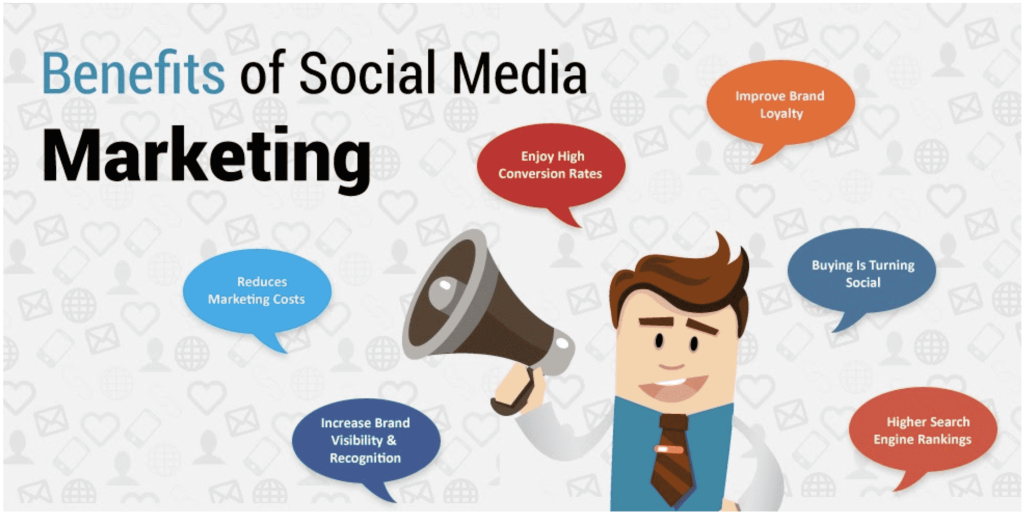
Key Benefits of Social Media for Movers
Here, we discuss the key benefits of the major platforms and how they can boost local and long-distance moving businesses.
Facebook & Instagram
Moving companies can maximize their advertising impact by tailoring campaigns to specific demographics and locations.
- Massive Local Audience: Moving companies can create a Facebook Business Page to share updates, reviews, and photos and then use Facebook Ads to reach people in specific cities or even a radius around their business.
- Advanced Targeting Options: Facebook’s targeting goes beyond age and location. You can target by interests and life events. For example, Facebook has data on life events like “Recently Moved” or “New Job” or interests such as “real estate” or “home staging.”
- Engaging Visual Content: Facebook and Instagram let you tell your company’s story and connect emotionally. You can post videos of your crew in action, photos of happy customers in their new home, or tips for stress-free moving. Instagram is great for sharing videos, showing packing hacks, or having behind-the-scenes fun with your team.
- Facebook Lead Ads: A huge benefit for movers is the ability to generate leads directly on Facebook and Instagram using lead form ads. These ads open a form within Facebook where users can submit their name, phone number, and details for a moving quote. Thus, movers can wake up to a list of fresh leads who requested a quote overnight.
- Community Trust Signals: Both platforms also allow reviews and recommendations. A Facebook page with dozens of 5-star reviews and customer testimonials acts as social proof for new visitors. You can encourage satisfied clients to share their experiences on your page. Instagram users might tag your company in their posts or Stories when they move.
Google Ads for Movers
Google Ads is perhaps the most powerful tool for intent-driven marketing. While Facebook targets people based on interests, Google targets based on what people are looking for, often leading to high-intent leads for movers.
- High Intent Search Traffic: When someone searches for “best movers in Toronto,” you want your business to appear. Google Ads lets you bid on keywords related to moving services so your ad appears atop the Google results.
- Local and Long-Distance Targeting: Google allows geotargeting as well. You can limit your ads to people searching from within your city/province or show different ads for different locations. For local moves, you might target a radius around your base. For long-distance moving services, you can target keywords like “moving from Calgary to Vancouver” or “cross-province movers Canada.”
- Cost-Effective Clicks with Optimization: With Google Ads, optimizing for cost per click (CPC) and relevance is critical. The Click-Through Rate (CTR) on Google Search for moving companies averages around 2–3%.
- Lead Conversions via Landing Pages: Google Ads shine when paired with dedicated landing pages. Instead of sending ad traffic to your homepage, you can create a landing page specifically for the ad campaign. For example, if your ad is for “Long Distance Moving from Toronto,” your landing page can talk specifically about your long-distance moving expertise, show a form for a quote, and maybe display a testimonial from someone who moved cross-country.
YouTube Marketing for Movers
Movers sometimes overlook YouTube, but it’s a fantastic brand awareness and education platform. As the second-largest search engine, YouTube is where many people learn and are informed about moving.
- Brand Awareness through Video Ads: YouTube allows you to run video ads that play before or during other videos. You can target these ads by demographics, interests, or keywords. A short 15-30-second video ad introducing your moving company, highlighting your services, and a strong call-to-action can plant a seed in viewers’ minds.
- Educational Content & Authority Building: Movers have extensive expertise that can be shared in video form. Creating a YouTube channel with helpful content can organically attract potential customers. Consider videos like “Top 5 Tips to Prepare for Moving Day,” “How to Pack Fragile Items—Advice from Professional Movers,” or “A Day in the Life of Our Moving Crew.”
- Showcasing Your Work: Video is the best medium to showcase things like before-and-after or complex moves you’ve handled. For example, if your company moved a small business or did a cross-country move for a family, consider making a short case study video. They serve as living proof of your reliability. You can also embed these YouTube videos on your website’s testimonials or case studies page.

Running Effective Social Media Campaigns: Step-by-Step Breakdown
Here, we explain how to run successful social media and PPC campaigns, including campaign setup, creative strategy, funnel structure, lead generation, and retargeting.
1. Campaign Setup: Objectives, Targeting & Geofencing
The first step is defining your campaign objective. Different goals call for various campaign types:
- If you want to increase brand awareness in your city, you might choose a Brand Awareness or Reach objective campaign to introduce people to your company.
- If lead generation is the goal, you may choose Lead Generation or Website Traffic/Conversions.
Once the objective is set, define your audience. For moving companies, some effective targeting methods are:
- Location: Use geotargeting or geofencing to include only the areas you serve.
- Demographics: Age and life stage are relevant. People in their mid-20s to mid-40s are common movers, but don’t ignore seniors or businesses relocating.
- Interests & Behaviors: Facebook has interest categories like real estate, moving, home decor, etc. Someone browsing Zillow or reading about mortgages might be preparing to move. You can use behaviour like engagement with moving-related content.
Now, decide if you want your ads to run all day or on a schedule. Movers often have someone to answer calls only during business hours. If you’re using call ads on Google (where clicking the ad calls your office), schedule them when your team can pick them up.
2. Creative Formats and Copy Strategy for Movers
With your targeting set, the next crucial element is the creative. Visuals and copy play a significant role in catching attention and driving action.
Movers should use imagery that resonates with the moving experience or outcome. Here are some recommended creative approaches for different platforms:
- Facebook/Instagram Image Ads: Use high-quality photos of happy customers with moving boxes or your uniform crew handling furniture carefully. People respond well to ads that feel relatable.
- Video Ads: A 15-second video can outperform a static image by catching the eye. For example, show a clip of movers wrapping furniture and loading the truck, and then have the customer high-five the mover at the end.
- Google Display Ads: You can create banner ads in various sizes here. Keep them visually consistent with your brand (colours, logo).
The words you use in your ads should be concise and compelling, addressing common pain points and desires of moving customers. Some copywriting tips for movers:
- Headline/Primary Text: Mention the service and location to qualify the viewer immediately. This ensures anyone not interested or outside the area skips, saving your budget for the right people.
- Value Proposition: Why should they choose you? Highlight your Unique Selling Propositions (USPs). Include one or two of the strongest benefits in the ad text. For example: “Make your move stress-free. Our professional team handles everything from packing to unloading, with no surprise fees.”
- Call to Action (CTA): Always tell the reader what to do next and ensure it’s clear and easy.
- Address Pain Points: Many people dread moving – you can tap into that in your copy. Show that you understand their concerns and have a solution.
- Urgency or Special Offer: If appropriate, include a time-sensitive offer to spur action. Ensure you honour any offer you advertise, and don’t overuse fake urgency; it should feel genuine.
3. Structuring Your Ad Funnel: Awareness, Consideration, Conversion
Structuring your campaigns as a funnel can greatly increase overall conversion by nurturing leads through stages:
- Awareness Stage (Top of Funnel – TOF): These campaigns aim to introduce your moving company to people who don’t know you. Content could be a helpful video (“5 Moving Tips for First-Time Homeowners”) or a fun infographic shared on social media (“Checklist for a Stress-Free Move”). The goal is engagement, not immediate leads. Here are metrics to watch: views, reach, and engagement (likes, shares, comments).
- Consideration Stage (Middle of Funnel—MOF): Now, you target those interested. Using retargeting, you can create audiences of users who engage with your TOF content. These people likely have a moving need and know who you are. You provide more specific information at this stage and start guiding them to take action. You might also share content like a blog post titled “How to choose a reliable moving company.” MOF is about trust-building and positioning your company as the top choice.
- Conversion Stage (Bottom of Funnel – BOF): This is where you go for the conversion. Audiences here could include people who visited your quote page but didn’t submit, people who started filling out a lead form but dropped it off, or those who have been to your site multiple times. Your ads now should be very direct: “Get Your Free Moving Quote Now,” “Ready to Move? Let’s Make It Easy – Contact Us Today.” Offers and urgency are effective at this stage: e.g., “Only two summer weekend slots left – book your move now.” Also, ensure your landing page or quote form is streamlined here.
4. Lead Generation Tactics: Lead Forms, Landing Pages & CTAs
We’ve touched on some methods, but let’s dive deeper into best practices for generating and capturing leads effectively:
- Facebook/Instagram Lead Forms: These in-app forms are powerful tools. To optimize them for movers, keep the form short (name, phone, move date, maybe current city and destination—you can ask for detailed inventory later via follow-up) and use an enticing description like “Get your free moving estimate.”
- Dedicated Landing Pages: Rather than driving ad traffic to your generic homepage, use dedicated landing pages for campaigns.
- Compelling CTAs and Offers: Sometimes, offering a little something can boost lead generation. For instance, “Get a Free In-Home Estimate” or “Book now and get 10 free moving boxes on us” as an offer on the landing page can tip a user to contact you.
- Lead Handling Process: The campaign doesn’t end when the form is filled – that’s where the sales process begins. It’s worth mentioning in this context because marketing should align with sales for the best results. Have a system (like a CRM or an organized email list) to track incoming leads. Use automated email responders: e.g., immediately after a form submit, send a thank you email: “Thank you for requesting a quote! A representative will call you shortly. In the meantime, here’s what to expect…” etc. This reassures the prospect and keeps them warm. Ensure your team calls or emails when you said you would.
- Integration of CTAs in Organic Content: While paid campaigns drive most leads quickly, your organic social media can generate inquiries. Regularly post reminders of your services with CTAs on your Facebook page. On Instagram, you can use your bio link or stickers in Stories. Ensure your social profiles have up-to-date contact info and perhaps a “Book Now” or “Get Quote” button.
5. Retargeting and Nurturing: Stay on the Radar
Retargeting allows you to continue the conversation with potential customers who didn’t convert immediately, ensuring they remember you.
- Pixel-Based Retargeting: By installing the Facebook Pixel on your website and using Google Ads remarketing tags, you can track visitors and create audiences for them. Without retargeting, you might have lost that lead forever. With it, you got a second (or third) chance to win them.
- Sequential Messaging: Retargeting also allows for sequential messaging. Suppose someone visited your site after clicking a Google ad. The first retargeting ad they see on Facebook could be a testimonial. If they don’t convert, they will see another retargeting ad next week. You can set frequencies and sequences so you’re not bombarding them daily.
- Cross-Platform Retargeting: Moving companies have the advantage of ensuring their messages follow the user in different contexts by using multiple platforms. For example, a person might ignore a display banner but pay attention to a Facebook ad, or vice versa. So, it’s wise to retarget on Facebook/Instagram, Google Display, and even via email.
- Exclusion to Avoid Overlap: One way to manage this is to ensure that once someone converts, they do not see more “Get a quote” ads. It can annoy customers if they keep seeing ads after hiring you.
- Nurturing Long-Term Leads: Sometimes you’ll get far-out leads (“I’m moving in 3 months, just gathering quotes”). Don’t let them forget you in that interim. Use a CRM to set reminders to follow up one month later. Also, you can retarget those specific leads with content that keeps them warm. Perhaps a month before their move, email “Your moving day is coming up next month – here’s a handy timeline checklist to help you prepare” and offer any further assistance.
Measuring Campaign Performance: Key Metrics and Benchmarks
Focusing on the right Key Performance Indicators (KPIs) will help movers optimize campaigns and maximize return on ad spend (ROAS). Let’s explore the important metrics, industry benchmarks, and tools for tracking performance.
- Click-Through Rate (CTR): This is the percentage of people who click your ad after seeing it. CTR is a key indicator of how appealing your ad is to your target audience. A higher CTR means your ad messaging/creative is resonating. In the moving industry, CTR can vary by platform. On Facebook, the average CTR across industries is around 0.9% and consumer services like moving tend to be in the ~0.6% range. On Google Search, moving ads often average CTRs of around 2–3%. Consider testing new headlines or targeting if your CTR is below these benchmarks. If above, that’s a sign your ads are compelling to viewers.
- Cost Per Click (CPC): How much do you pay for each click? On Facebook, CPC for consumer services averages around $3.08. On Google, CPC can range widely depending on the keywords – generic “movers [city]” could be a few dollars, whereas long-tail keywords might be under $1.
- Conversion Rate (CVR): The percentage of clicks that convert into a desired action. If 100 people click your ad and 5 fill out the quote form, that’s a 5% conversion rate. Track CVR for each campaign – if one campaign has a much lower CVR, the landing page or audience might need tweaking.
- Cost Per Acquisition (CPA) / Cost Per Lead (CPL): This tells you how much each lead costs in ad spend. It’s arguably the most important metric for your marketing profitability. For example, if you spent $500 on ads in a month and got 25 leads, your average CPL is $20.
- Return on Ad Spend (ROAS): ROAS = Revenue generated from ads / Ad spend. This is a big-picture metric that shows the effectiveness of your campaign in terms of dollars. For example, if you spent $1,000 on ads and those leads turned into $5,000 worth of moving jobs, your ROAS is 5:1 (or 500%). A marketer shared achieving 13x ROAS for a moving company by refining targeting. When calculating ROAS, attribute actual booked jobs to the specific ad source. If a campaign’s ROAS is below 1, you must optimize it or re-evaluate its viability.
Tools for Tracking Performance (Meta Ads Manager, Google Analytics 4, Looker Studio, etc.)
Having the right tools in place makes measuring these KPIs much easier:
- Meta Ads Manager (Facebook/Instagram): This is the dashboard where you create and monitor Facebook/Instagram campaigns. It provides data on impressions, clicks, CTR, CPC, leads, and even conversions on your website if you’ve set up the Facebook Pixel and custom events. Use the Ads Manager reporting to break down results by demographics or placement.
- Google Ads Dashboard: The Google Ads interface shows metrics for search and display campaigns. Important columns to monitor are CTR, average CPC, Cost, Conversions, Cost/Conversion, and conversion rate.
- Google Analytics 4 (GA4): By installing GA4 on your site, you can track the entire user journey regardless of source. GA4 will show you traffic from Facebook Ads, Google Ads, organic search, etc., and you can see how those users behave. It helps see multi-channel attribution.


