


Imagine a family moving out the following day, but they don’t have a reliable mover. They’re panicking and searching the internet for “movers near me” on their phones. They’re desperate for help. Your moving company could be their hero.
But it won’t be if your business doesn’t appear in search results. You’ll lose that client to a competitor—for what? Because you ignored PPC campaigns! You don’t want that.
That was scary, right? It could haunt you for nights if you don’t start caring for your business’s future.
In this post, you’ll learn almost everything about PPC (it’s impossible to include everything in one blog post!) This post explains the basics of PPC, its types, its benefits, challenges, and more. So stick to the end of the post and start planning more business from this one little source: PPC.
What is PPC?
PPC, or Pay-Per-Click, might sound like tech jargon, but it’s a straightforward concept with considerable potential for movers.
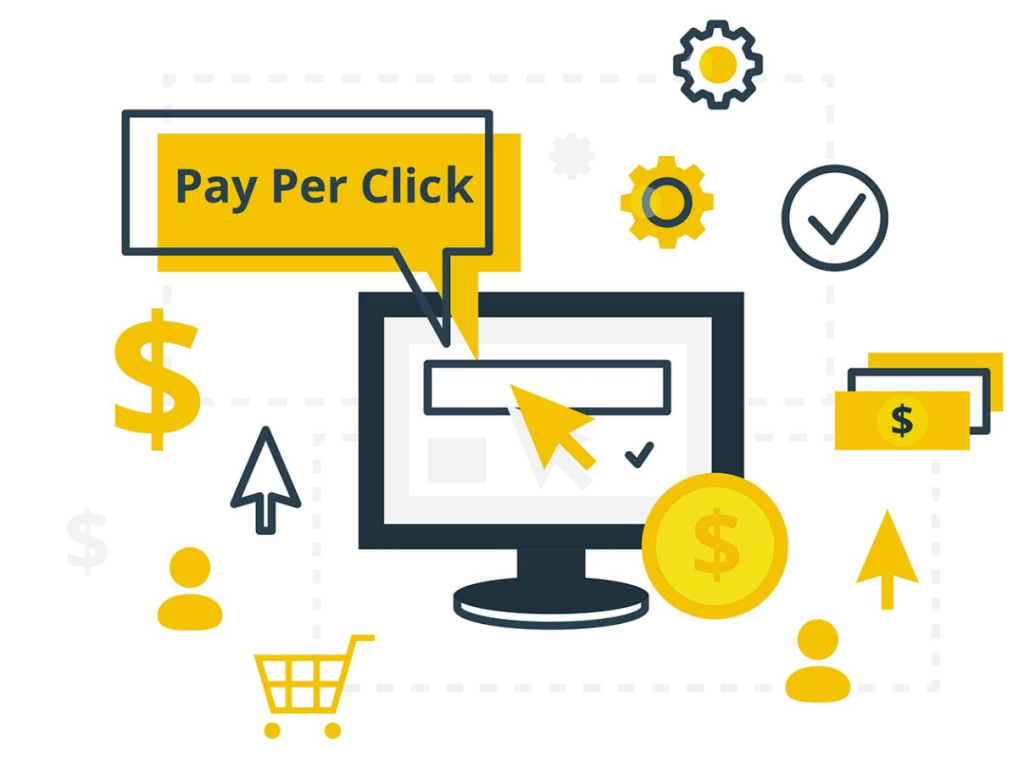
Now imagine you set up a billboard at a busy intersection, but instead of paying a flat fee regardless of whether anyone notices it, you only pay when someone stops, reads it, and decides to call you. That’s PPC: You pay a small amount each time someone clicks on your online ad.
These ads can appear on search engines, social media platforms, or websites your potential customers visit.
How Does It Work?
Here are the nuts and bolts of PPC:
- Choose Keywords: You pick phrases people might type when they need a mover, like “local movers in [Your City],” “emergency moving services,” or “affordable long-distance movers.” These are your hooks.
- Craft Your Ad: Write something eye-catching and relevant, like “Fast, Reliable Movers in [Your City]—Get Your Free Quote Today!” It’s short, punchy, and promises value.
- Set It Live: Your ad runs on a platform, appearing when someone searches your keywords or fits your target audience. They click, you pay a fee, and they land on your website.
PPC operates like a silent auction for ad space. You bid on how much you’ll pay per click—say, $5 for “movers near me.” But it’s not just about money. Platforms like Google also factor in ad quality—how relevant and well-crafted your ad is.
A competitor bidding $4 with a stellar ad might outrank your $5 bid if your ad’s sloppy.
How PPC Gets Moving Leads Knocking on Your Door
PPC is more than throwing ads online. It’s about being there at the perfect moment.
Picture that family again, typing “emergency movers in [Your City]” late at night. With PPC, your ad can sit proudly at the top of their Google search results or pop up in their Facebook feed, beating out competitors before they scroll.
The Step-by-Step Process
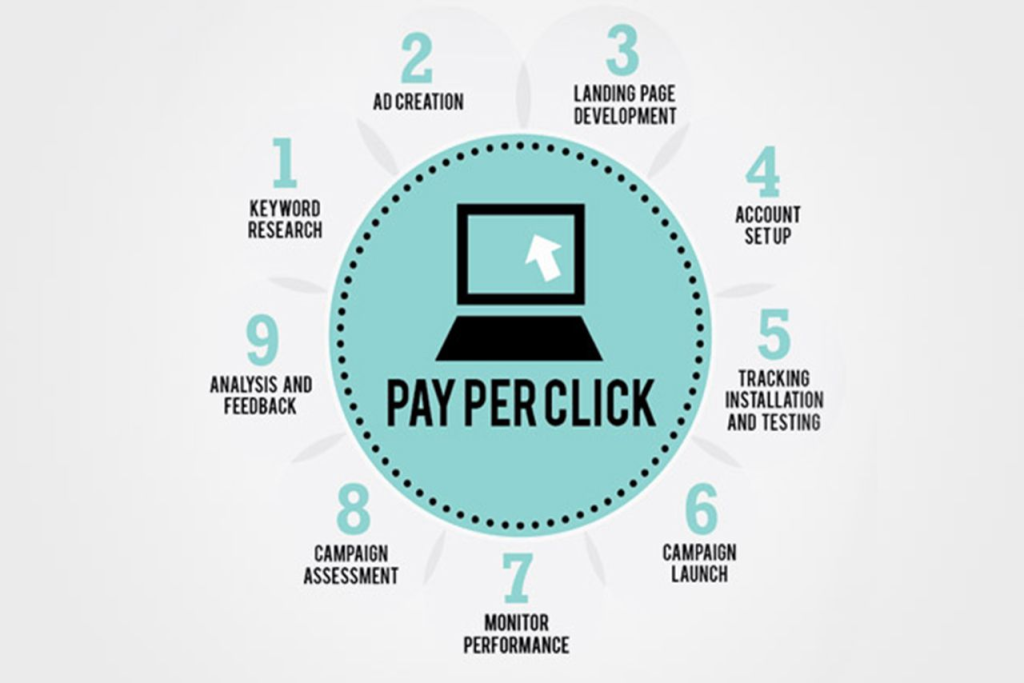
Here’s how PPC turns searches into bookings:
- The Search Happens: A potential customer types something like “movers near me,” “cheap moving services,” or “long-distance movers [Your State].” They’re signalling intent.
- Your Ad Appears: Because you’ve bid on those keywords (or targeted that audience on social media), your ad appears—maybe at the top of Google or as a sponsored post on Instagram.
- They Click: The user sees your ad—“[Your City] Movers: Affordable & On Time!”—likes it and clicks through. You pay a small fee (your Cost Per Click, or CPC).
- They Land on Your Site: They arrive at a page tailored to their need, like a “Get a Free Moving Quote” form or a “Same-Day Booking” option.
- They Convert: With a clear call-to-action (CTA)—“Call Now” or “Schedule Your Move”—they book your services or request more info.
The Landing Page
Your ad gets them to your site, but the landing page seals the deal. It needs to be:
- Clear: A headline like “Stress-Free Moves in [Your City]—Book Today!”
- Trustworthy: Testimonials, star ratings, or “Licensed & Insured” badges.
- Action-Oriented: A big, bold button for “Get a Quote” or “Call Us.”
- Mobile-Friendly: Most searches happen on phones—don’t lose them to a clunky site.
Types of Pay-Per-Click Advertising
PPC comes in flavours to suit different goals, audiences, and budgets. Here’s the full menu for movers:
Search Ads
- What They Are: Text ads at the top of search engine results (Google, Bing). They’re marked “Ad” but blend into the page.
- Why They Work: They catch people actively searching for movers—high intent, high conversion potential.
- Example: You bid on “movers in Phoenix,” and your ad reads, “Phoenix Movers—Fast, Affordable, Free Quotes!” Someone searching that term sees you first.
- Mover Tip: Use local keywords to dominate your area.
Display Ads
- What They Are: Visual banners, images, or videos on websites in Google’s Display Network (millions of sites like news pages or blogs).
- Why They Work: They are great for brand awareness, reaching people who aren’t searching yet but might move soon.
- Example: Your ad—a photo of your truck with “Moving Made Easy in [Your City]”—appears on a local real estate blog. A reader planning a move takes note.
- Mover Tip: Use eye-catching visuals and target sites your audience visits.
Social Media Ads
- What They Are: Ads on platforms like Facebook, Instagram, or LinkedIn, often with images, videos, or carousels.
- Why They Work: Laser-targeted to specific groups—like “new homeowners” or “people who just got married.”
- Example: On Facebook, you run an ad with a happy family unpacking: “Just Moved to [Your City]? Let Us Help—Book Now!” It targets users who updated their addresses recently.
- Mover Tip: Experiment with video ads showing your team in action.
Remarketing Ads
- What They Are: Ads that “follow” people who visited your site but didn’t book, appearing on other sites or social platforms.
- Why They Work: They nudge warm leads back to you, increasing conversions.
- Example: Someone checks your “Get a Quote” page but leaves. Later, they see your ad—“Still Moving? We’ve Got You Covered!”—while browsing a news site.
- Mover Tip: Pair with a special offer, like “10% Off—Book Today!”
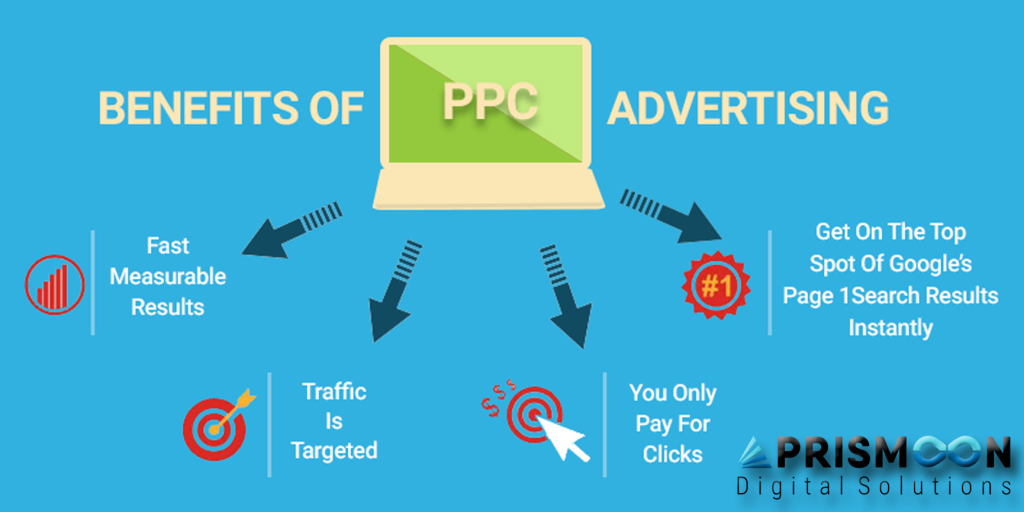
Benefits of PPC for Moving Companies
PPC is a toolbox of advantages tailored for movers. Here’s why it’s worth every click, with deep dives into each perk:
a) Fast Leads
- Detail: SEO takes months to climb rankings, while PPC delivers leads almost instantly. Launch a campaign today, and you’ll see clicks tomorrow. This speed is gold for movers, where jobs can pop up overnight.
- Example: A mover in Miami runs a “24-hour movers” campaign. By morning, they’ve got two urgent jobs lined up.
b) Reach Your Dream Customers
- Detail: Target by location (your service area), demographics (age, income), or interests (home improvement). You’re not shouting into the void but whispering to the right ears.
- Example: You set ads for “long-distance movers” to show only in your state, targeting 30-50-year-olds with moving-related interests.
- Pro Tip: Use geotargeting to avoid wasting clicks outside your radius.
c) Track Everything
- Detail: Tools like Google Analytics and platform dashboards show clicks, costs, and conversions. Thus, you can pinpoint which ad brought in that $2,000 job.
- Example: If “cheap movers [Your City]” has a 10% conversion rate, increase your focus on it.
- Tool: Link Google Ads to Analytics for free, detailed insights.
d) Cost-Effective Powerhouse
- Detail: Pay only for clicks, not impressions. Set daily budgets—like $20—to cap spending. It’s cheaper than a newspaper ad, which does not guarantee eyes.
- Example: A $100 campaign gets 50 clicks at $2 each, landing five bookings worth $1,000 total. That’s a win.
e) Builds Your Brand
- Detail: Even non-clickers see your ad—your name sticks. Over time, “that mover I keep seeing” becomes their go-to when they need you.
- Example: Your “Family-Owned Movers in [Your City]” ad runs for weeks. A month later, a non-clicker calls because they recognize you.
f) SEO’s Best Friend
- Detail: PPC fills the gap while SEO grows. Test keywords with PPC, then optimize your site for winners. They’re a power couple, not competitors.
- For example, “Same-day movers” perform well in PPC, so you can add them to your site’s SEO plan.
g) Track Your Goals Like a Pro
- Detail: Set goals—quote requests, calls, bookings—and track them precisely. Platforms show which ads hit the mark.
- Example: You aim for 10 calls weekly. The PPC shows that eight came from “emergency movers” ads—focus there.
- Tool: Use Google Ads conversion tracking—it’s free and easy.
h) Reputation Management Made Easy
- Detail: Shape the story. Highlight positive reviews or deals to counter bad press. Your ad is your megaphone.
- Example: After a 1-star review, you run “5-Star Rated Movers—See Why!” with a testimonial link.
Paid Media vs. PPC vs. Paid Search & Paid Social
The ad world is an alphabet soup of terms. Let’s untangle it with clarity and a mover’s lens:
Paid Media
- Definition: The catch-all for any paid advertising—TV, radio, billboards, online ads. It’s the whole enchilada.
- Mover Context: Your PPC campaign and the local radio spot you ran last summer are paid media.
PPC (Pay-Per-Click)
- Definition: A subset of paid media where you pay only when someone clicks your ad. It’s a payment model, not a channel.
- Mover Context: Your Google ad for “movers in [Your City]” is PPC—you’re charged per click, not per view.
- Key: It’s about efficiency—pay for action, not exposure.
Paid Search
- Definition: PPC ads on search engines (Google, Bing). They’re text-based and tied to search queries.
- Mover Context: Your ad atop the “cheap movers near me” results is a paid search, grabbing active seekers.
- Strength: High intent means higher bookings.
Paid Social
- Definition: PPC ads on social platforms (Facebook, Instagram, Twitter). They’re visual and audience-driven.
- Mover Context: A Facebook ad targeting “new residents in [Your City]” with a moving truck photo is paid social.
- Strength: Builds awareness among future movers.
PPC Ad Platforms
Your platform choice shapes your reach. Here’s the rundown, with mover-specific pros and cons:
Google Ads
- What: The king of search ads, plus display and remarketing options.
- Pros: Massive audience (90%+ search share), high-intent users, local targeting.
- Cons: Competitive keywords like “movers” can get pricey.
- Mover Use: Bid on “same-day movers [Your City]” for instant leads.
Microsoft Advertising (Bing)
- What: Search ads on Bing, with display options.
- Pros: Less competition, cheaper clicks, older demographic reach.
- Cons: Smaller audience than Google.
- Mover Use: Target “affordable movers” for cost-conscious Bing users.
Facebook Ads
- What: Visual ads with deep targeting (interests, behaviours, demographics).
- Pros: Affordable, excellent for brand-building, precise audience filters.
- Cons: Less immediate intent than search.
- Mover Use: Target “recently moved” users with “Unpack Easier with Us!”
Instagram Ads
- What: Photo/video ads (owned by Facebook), skewing younger.
- Pros: Visual appeal, engaged audience, storytelling potential.
- Cons: Less search-driven, needs strong visuals.
- Mover Use: Show your team loading boxes for “millennial movers.”
Others to Consider
- Twitter: Quick, text-based ads for timely promos (“Last-Minute Moves? DM Us!”).
- LinkedIn: B2B targeting for commercial moves (office relocations).
- YouTube: Video ads in Google Ads—showcase your process.

How to Optimize a PPC Campaign
Launching a campaign is step one. Optimizing it turns good into great. Here’s your detailed playbook:
Keyword Research
- How: Use Google Keyword Planner or SEMrush to find terms like “movers [Your City],” “cheap moving services,” or “piano movers near me.”
- Detail: Start broad, then go specific (long-tail keywords) to cut competition and cost. “Movers” might be $10/click; “small apartment movers [Your City]” could be $3.
- Tip: Add seasonal terms like “summer movers” when demand spikes.
Compelling Ad Copy
- How: Write short, punchy ads to solve a problem. Include a CTA—“Call Now,” “Get a Quote.”
- Detail: Highlight benefits (speed, price, trust). Example: “Stressed About Moving? Fast Movers in [Your City]—Free Quotes!”
- Tip: Use ad extensions—add your phone number or site links (like “Our Services”).
Landing Page Perfection
- How: Build a page matching your ad’s promise. Fast load time, clear CTA, mobile-ready.
- Detail: For “emergency movers,” list availability, a form, and reviews. Avoid clutter and focus on conversion.
- Tip: Test with tools like Google Optimize for free.
Bid Management
- How: Set manual bids or use automated options (e.g., “Maximize Clicks”).
- Detail: Start low ($2 per click), then raise for high-converting keywords. Pause losers like “movers jobs” if they don’t fit.
- Tip: Check bids weekly—don’t overspend on duds.
A/B Testing
- How: Run two ad versions—change headlines, CTAs, or images.
- Detail: Test “Affordable Movers—Book Now” vs. “Reliable Movers—Free Quote.” Keep the winner.
- Tip: Test one element at a time for clear results.
Negative Keywords
- How: Add irrelevant terms (e.g., “jobs,” “DIY,” “rental”) to block wasted clicks.
- Detail: If “movers” pulls “truck rental” searches, add “rental” as negative.
- Tip: Review search term reports weekly to refine.
Scheduling & Geo-Targeting
- How: Run ads when people book (e.g., 8 AM–8 PM) and in your service area.
- Detail: Avoid 3 AM clicks or leads 100 miles away—a waste of money.
- Tip: Tighten the radius to 20-30 miles for local jobs.
PPC Metrics to Track
Data’s your compass. Here’s what to measure, why, and what’s good:
Click-Through Rate (CTR)
- What: % of ad viewers who click (clicks ÷ impressions).
- Why: Shows ad appeal. Low CTR = weak copy or targeting.
- Goal: 2-5% for movers. Below 1%? Rewrite your ad.
Cost Per Click (CPC)
- What: Average cost per click (total spend ÷ clicks).
- Why: Tracks budget efficiency. High CPC can eat profits.
- Goal: $2–$10, depending on market. Lower with niche keywords.
Conversion Rate
- What: % of clicks becoming leads/bookings (conversions ÷ clicks).
- Why: Measures landing page success. Low rate = fix the page.
- Goal: 5-10%. Under 2%? Check your CTA.
Cost Per Conversion
- What: Spend per lead (total cost ÷ conversions).
- Why: It shows the actual cost of a win. High cost = rethink strategy.
- Goal: $20–$50 per booking, tied to job value.
Return on Ad Spend (ROAS)
- What: Revenue per dollar spent (revenue ÷ ad cost).
- Why: Proves profitability. Low ROAS = losing money.
- Goal: 3:1 or higher ($3 back per $1 spent).
Use Google Ads reports or Analytics. If CTR’s low, tweak copy. If CPC’s high, refine keywords. Data drives decisions.
Challenges of PPC and Considerations
PPC’s powerful but not perfect. Here’s what to watch, with solutions:
High Competition
- Challenge: Big movers bid up keywords like “movers near me,” pushing CPC to $15+ in cities.
- Fix: Target niche terms—“furniture movers [Your City]” or “senior moving services.” Less crowded, cheaper clicks.
Ongoing Management
- Challenge: Campaigns need constant care—monitoring bids, refreshing ads, and cutting losers.
- Fix: Set aside 1-2 hours weekly. Use automated rules (e.g., pause ads if CPC > $10).
Budget Overruns
- Challenge: Without caps, a hot keyword can drain your wallet fast.
- Fix: Set daily budgets ($20–$50 to start) and monitor spending daily at first.
Learning Curve
- Challenge: Newbies might waste cash on broad targeting or weak ads.
- Fix: Start with a $100 test campaign. Watch free Google Ads tutorials online.
Ad Fatigue
- Challenge: The same ad running too long loses clicks—people tune out.
- Fix: Refresh copy or visuals monthly. Test new hooks like “Winter Move Specials.”
Click Fraud
- Challenge: Competitors or bots click your ads to waste your budget.
- Fix: Use Google’s invalid click protection. Monitor sudden spikes and report them.
The Bottom Line
PPC is your express lane for moving leads. It puts your company in front of customers when they’re ready to book, not when they’re just dreaming. Yes, it demands time, tweaking, and some cash, but the payoff?
Trucks are rolling out daily, and a growing reputation and an edge over rivals are still stuck on flyers. Begin with a modest campaign, track every click, refine as you go, and watch your business lift-off. In an industry where timing is everything, PPC ensures you’re the first mover they see.
FAQs
How fast do PPC leads show up?
Clicks can hit within hours. Steady bookings might take 1-2 weeks of optimization.
Can small movers handle PPC alone?
Yes! Google Ads offers beginner-friendly setups. Free tools like Keyword Planner help, too.
PPC or SEO—which wins?
PPC for quick wins, SEO for long-term gains. Blend them—PPC now, SEO later.
Which platform is best?
Google Ads for reach and intent. Facebook for targeting and cost. Test both.How often do you check campaigns?
Weekly for metrics, monthly for big tweaks. Stay on it.


