



Around 90% of startups fail within their first five years. Surprisingly, the reason isn’t always the product itself; it’s often poor digital visibility.
Many founders rely on quick hacks, guesswork, or random marketing tips instead of building a strong digital foundation. One of the biggest mistakes is ignoring SEO. Think of it as the oxygen for your online presence; without it, even the best ideas remain invisible.
SEO isn’t about shortcuts or quick wins. It’s about creating a sustainable growth engine that consistently attracts and engages your audience, even when you’re not actively promoting your business.
A well-planned SEO strategy for startups can mean the difference between staying hidden in the noise or becoming discoverable to the right people at the right time. Let’s explore why SEO is a crucial pillar of digital marketing and how it can drive long-term success.
What is SEO in Digital Marketing?
SEO and digital marketing work side-by-side. Search Engine Optimization is one of the most crucial strategies in digital marketing. It focuses on enhancing a website’s ranking and visibility in search engine results pages (SERPs), such as Google, Bing, or Yahoo.
When someone searches for a product, service, or information online, they are more likely to click on the top results. SEO helps your website appear in those top positions, making it easier for potential customers to find you.
How Does SEO Work in Digital Marketing?
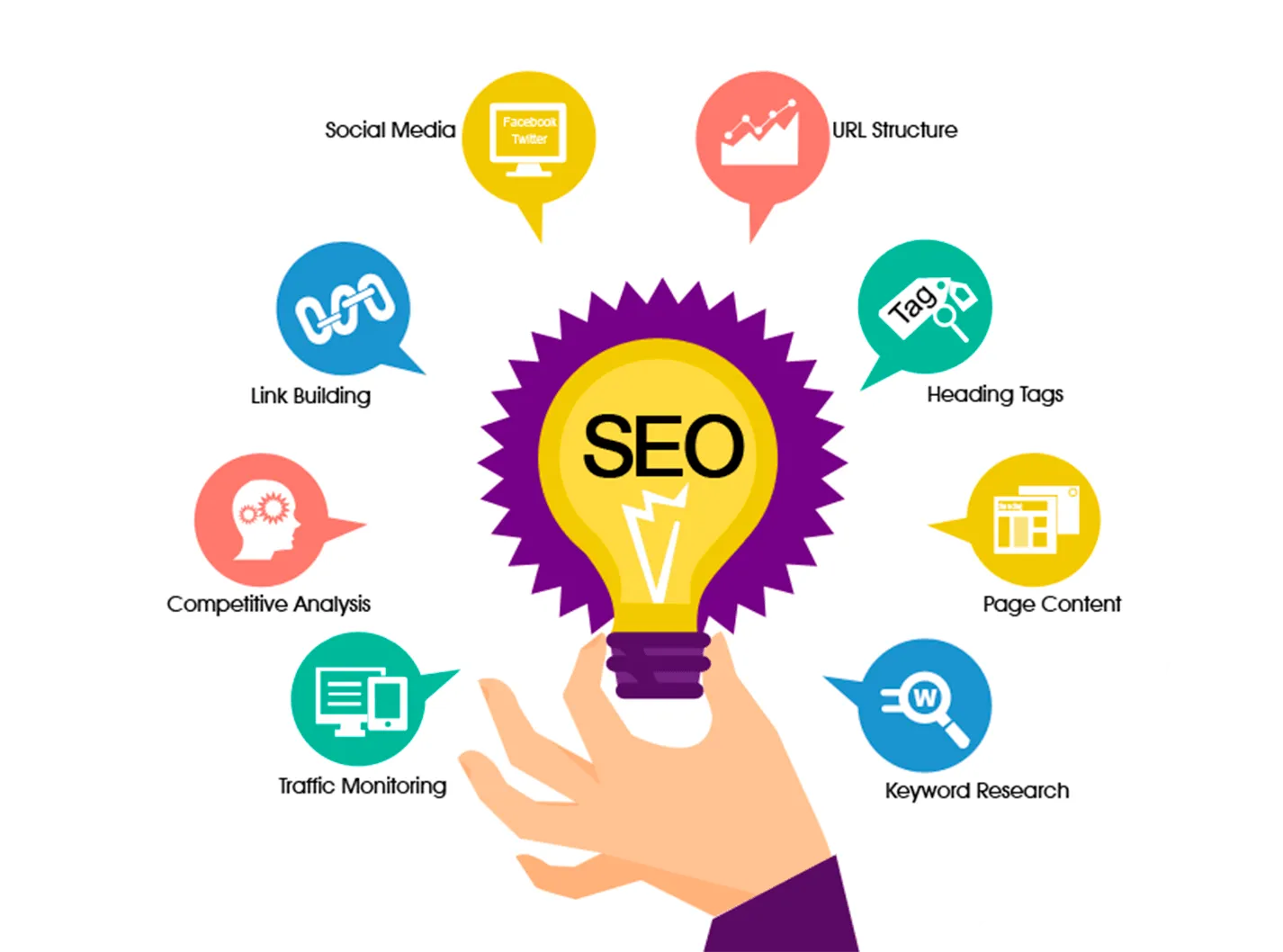
SEO works by optimizing various aspects of a website so that search engines can understand its content and display it to the relevant audience. It includes:
- Keyword Optimization – Using the right search terms that people are looking for.
- Content Optimization – Creating valuable, relevant, and high-quality content.
- Technical SEO – Improving site speed, mobile-friendliness, and overall structure.
- Link Building – Getting backlinks from trusted and authoritative websites.
- User Experience – Ensuring easy navigation, fast loading, and a positive visitor experience.
Why Startups Need an SEO-First Digital Marketing Strategy
When you’re running a startup, every dollar and every hour matters. You can’t afford to waste resources on strategies that stop working the moment your budget runs out. That’s why SEO should be the backbone of your digital marketing, not an afterthought.
Limited Budgets and the Power of Organic Reach
Startups usually don’t have million-dollar ad budgets. Running Facebook or Google Ads can give a quick traffic spike, but the moment you stop spending, your visibility vanishes. SEO is different; it compounds. A single well-optimized blog post or landing page can generate traffic for months, even years, without requiring additional spending. Think of it like planting seeds: a one-time investment with a long-term harvest. For a startup trying to stretch every penny, this is the most innovative way to scale sustainably.
How SEO Drives Consistent, Compounding Results
Here’s the beauty of SEO: it doesn’t just give you “one-time” results. Every new piece of optimized content strengthens your domain authority, making it easier for future content to rank. Over time, your brand becomes a trusted source in Google’s eyes, which means you show up more often when potential customers search for solutions. This is why SEO isn’t just marketing, it’s building a digital asset that appreciates over time. Compare this to ads, which are more like renting attention; SEO is like owning your digital property.
Real Examples: Startups That Scaled with SEO
Take a look at how Canva grew in its early days. They didn’t burn cash on endless ads; they built a massive library of SEO-focused content targeting “how to design a poster,” “Instagram story templates,” and similar high-intent searches. Today, millions find Canva organically every month.
Another example is Zapier, a simple automation tool that now dominates search results for “connect [app name] to [app name].” They turned SEO into a growth engine, capturing users exactly when they needed a solution.
These aren’t isolated cases. Many successful startups treated SEO as a core strategy from day one, not just an afterthought. The lesson? If you adopt an SEO-first approach early, you reduce your dependency on paid acquisition and create an organic growth pipeline that scales with your business.
Building a Strong SEO Foundation from Day One
Most startups make the same mistake. They build a website first and think about SEO later. That’s like constructing a building and then realizing you forgot the foundation. From the beginning, your digital presence should be SEO-ready so every effort you put in compounds instead of going to waste.
Domain, Hosting, and Website Structure Tips
Your domain is your startup’s digital identity. Follow these principles:
- Keep it short, clear, and memorable
- Avoid hyphens, numbers, or confusing words
- Prefer a .com, or a relevant TLD like .io or .ai if it makes brand sense
- Choose fast, secure, and reliable hosting (page speed affects SEO)
Plan your website layout before launching. Don’t let it grow messy over time. Think about what your users will need:
- Core pages like Blog, Features, Pricing, Use Cases, About
- Clean URL structure, such as/blog/seo-strategy, instead of /page? Id =3
- Logical menus and internal navigation from day one
Think of your site like a digital library. A well-organized structure helps both users and search engines find your content more easily.
Mobile-First and Fast-Loading Websites
Over 60% of all web searches happen on mobile devices. That’s why Google uses your mobile version as the main version to rank your site. If your mobile experience is compromised, your SEO is likely to suffer as well.
Speed is just as important. A page that loads in more than 3 seconds loses a significant chunk of visitors. Here’s how to fix that:
- Use lightweight themes or site builders
- Compress images using TinyPNG or WebP formats
- Limit heavy scripts and unnecessary plugins
- Use browser caching and a CDN like Cloudflare
Fast sites rank better, retain visitors longer, and increase conversion rates.
SEO-Friendly Content Architecture
You need content. But more importantly, you need content that’s structured clearly for both Google and your users.
- Create topic-based categories that reflect what your audience searches for
- Example: A fintech startup might use categories like “Startup Funding”, “Tax Planning”, or “Business Finance Tips”
- Use simple, keyword-friendly URLs like /how-to-raise-seed-funding
- Interlink your articles and core pages to guide both search engines and readers
- Avoid creating content islands (pages with no internal links to or from them)
If Google’s crawler were a real person walking through your website, would it be able to explore everything without confusion? If yes, you’re doing it right.
Bottom line: It’s far easier and cheaper to build SEO the right way from the start than to fix things later when they’re already costing you leads and traffic.
Content Marketing That Drives SEO Results
Content is the engine that powers your SEO. But here’s the truth: not all content ranks, and not all content converts. For a startup, every piece of content should serve a dual purpose: attract the right audience from search engines and move them one step closer to becoming a customer.
How to Create Content That Ranks and Converts?
High-ranking content has three things in common:
- It solves a specific problem your audience is actively searching for
- It’s structured in a way Google can easily understand (clear headings, clean URLs, keywords placed naturally)
- It satisfies user intent, meaning the reader finds exactly what they expected
But ranking alone isn’t enough. Once someone lands on your content, it should guide them to the next logical step, whether that’s signing up for a demo, downloading a guide, or simply reading more.
To achieve this:
- Research keywords with real buying intent, not just vanity topics
- Include clear CTAs (calls-to-action) that fit naturally within the content
- Add trust signals like case studies, data, or testimonials that show you know what you’re talking about
Think of SEO content as digital salespeople. They work 24/7, generating leads without requiring constant ad spending.
Blog Posts, Landing Pages, and Pillar Content Strategies
For a startup, you need three core types of content:
- Blog Posts
These target informational queries. For example, a fintech startup could write “How to manage cash flow for a small business” to attract top-of-funnel traffic. These posts build authority and answer questions your potential users are searching for.
- Landing Pages
These target conversion-focused keywords, like “best SaaS billing tool” or “AI chatbot for startups.” A landing page should be optimized for one specific solution and encourage sign-ups, demos, or purchases.
- Pillar Content and Topic Clusters
Instead of scattered posts, create one pillar page that covers a broad topic in-depth, like “The Ultimate Guide to Startup SEO.” Then create supporting articles that link back to it, such as “How to choose an SEO-friendly domain” or “Best free SEO tools for startups.” This internal linking structure helps Google understand your authority on that topic.
Pillar content makes you the go-to resource in your niche and increases your chances of ranking for competitive keywords over time.
Leveraging Storytelling and Value-Driven Content
Startups often underestimate the power of storytelling in SEO. Data and keywords get you visibility, but stories make your content memorable and shareable.
For example:
- Instead of just writing “10 SEO Tips for Startups,” tell a short story of how a small SaaS tool doubled its sign-ups through one SEO tweak.
- Share lessons from your startup journey. Founders resonate with real experiences, not just generic tips.
Value-driven content goes beyond surface-level advice. It teaches something new, offers a unique perspective, or simplifies a complex concept. If your content makes the reader think “I learned something here,” they’re more likely to trust your brand, and that trust turns into sign-ups, referrals, and backlinks.
On-Page SEO Essentials for Startups
On-page SEO is where you have the most control. It’s about ensuring your website is optimized so that Google understands what each page is about and users have the best possible experience. Done right from the start, it saves you hours of fixing later.
Title Tags, Meta Descriptions, and Headings Done Right
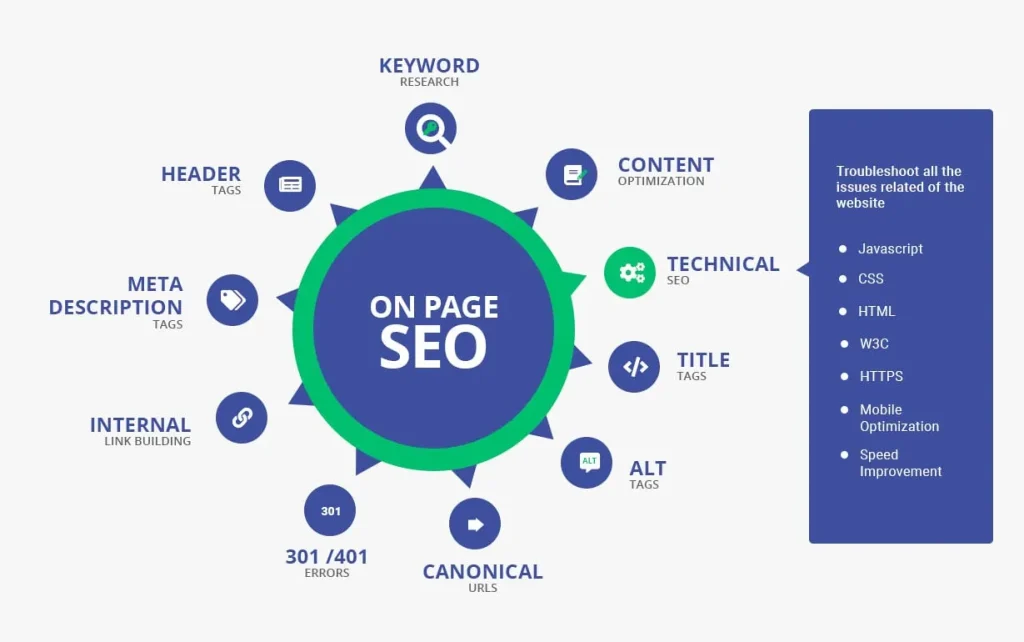
- Title tags are the first thing both Google and users see. Keep them under 60 characters, include your main keyword naturally, and make them enticing enough for someone to click.
- Meta descriptions don’t directly affect rankings, but they affect click-through rates. Write them like a mini-ad for your page, around 150–160 characters in length.
- Headings (H1, H2, H3) structure your content. Use one clear H1 per page that matches the topic. Break the content into sections using H2 and H3 Headings for easy scanning.
Think of this as making your content both human-friendly and search-engine-friendly.
Image Optimization and Alt Tags
Images can slow down your site if they’re not optimized. Use compressed formats, such as WebP or optimized JPEGs, to reduce file size.
Always add alt text that describes the image. It helps with accessibility and also gives Google more context about your content. For example, instead of writing “image1.jpg,” use “Startup team working on SEO strategy.”
Optimized images load faster, improve the user experience, and can even appear in Google Image search, bringing additional traffic.
Off-Page SEO: Building Authority Without a Huge Budget
Off-page SEO is about building trust and authority outside your website. For a startup, you don’t need thousands of backlinks. You need the right ones.
Link Building Strategies for Startups
Instead of buying spammy links or chasing quantity, focus on earning quality links.
- Create content worth referencing, like in-depth guides or original research
- Reach out to relevant blogs, directories, or industry sites for inclusion
- Turn customer success stories into PR opportunities that earn natural mentions
One high-quality link from a trusted site is better than 50 low-quality ones.
Guest Posting, Partnerships, and PR
Guest posting on niche blogs helps you reach a new audience while earning backlinks. For example, if you’re a health tech startup, write for health industry publications or startup blogs.
Build partnerships with complementary startups. For example, if you’re a SaaS tool for project management, partner with a productivity blog to co-create content.
PR is another cost-effective way. Share your startup’s journey, funding news, or product launches with local media or startup-focused publications. Even small mentions help build brand authority.
Social Signals and Community-Driven Growth
While social media links don’t directly boost SEO rankings, active engagement signals brand credibility. The more your content is shared, discussed, and linked on social platforms, the more likely it is to attract organic backlinks.
Start small. Be active in niche communities, such as Reddit, Indie Hackers, or LinkedIn groups. Provide genuine value instead of just promoting your product. Community trust often leads to organic mentions and links.
Schema Markup for Better Search Appearance
Schema markup is structured data that helps Google display rich results, such as FAQs, ratings, or event details. It doesn’t directly rank you higher, but it can improve how your page appears in search and increase click-through rates.
For example, a SaaS startup can use schema to show pricing or reviews directly in the search results. Use free tools like Google’s Structured Data Markup Helper to implement it easily.
Future-Proofing Your Startup’s SEO Strategy
SEO is never a one-time task. Search engines evolve, user behaviour changes, and new technologies shape how people discover businesses. If your startup wants to remain visible in the long run, your SEO strategy must adapt rather than relying on one-time fixes.
Adapting to Google Algorithm Updates
Google updates its algorithm thousands of times a year. Some are minor, while others can have a significant impact on rankings. The best way to stay safe is to focus on long-term, user-focused SEO rather than taking shortcuts.
- Create valuable, original content that solves real problems
- Keep your site technically sound with fast loading, a mobile-friendly design
- Build natural backlinks from trusted sources instead of spammy networks
If your SEO is built on strong fundamentals, algorithm updates are less likely to hurt you.
Voice Search, AI-Driven Search, and New SEO Trends
Search is changing rapidly. People no longer type keywords; they use voice assistants like Siri, Alexa, or Google Assistant to ask full questions. AI-driven search tools are also shaping how results are shown.
To stay ahead:
- Optimize for conversational queries and FAQs
- Use natural language in your content instead of keyword stuffing
- Target long-tail keywords that reflect how people speak
- Keep an eye on emerging platforms like AI-driven search engines or chatbots
The goal is to create content that feels natural, helpful, and easy to find, no matter how people search.
Why Consistent Optimization Matters
SEO is like fitness. You cannot go to the gym for one month and expect lifelong results. Search engines reward websites that stay active, updated, and relevant.
- Refresh old blog posts with new data or updated insights
- Add new internal links as you publish more content
- Track performance through tools like Google Search Console and adjust based on what’s working
- Keep learning as SEO evolves, so you don’t fall behind competitors
Consistent optimization ensures your startup stays discoverable even as the market, audience, and technology shift.
How Purpose Path Helps Startups Compete and Scale with SEO?
Purpose Path, the name of a renowned digital marketing agency for startups, approaches SEO with strategy, not guesswork. Our team works on a deeply technical foundation, ensuring every action directly impacts visibility, traffic, and conversions. From funded startups aiming for rapid growth to high-value brands requiring enterprise-level SEO, we’ve delivered measurable, proven results that stand the test of time. What sets us apart is our focus on building sustainable SEO ecosystems, no shortcuts, no generic templates. Whether it’s technical audits, advanced keyword mapping, or scalable content strategies, our solutions are designed to help your business grow in the right direction. For startups seeking to compete with larger players, Purpose Path bridges the gap with strategies that deliver tangible results.
FAQs
What is the best digital marketing strategy for startups?
The most effective digital marketing strategy for startups is one that strikes a balance between organic growth and targeted outreach. Begin with a solid SEO foundation to establish long-term visibility, complemented by content marketing that educates and attracts your target audience. Pair this with social media engagement to create brand awareness and email marketing to nurture leads. For faster traction, limited paid ads can amplify your reach; however, the key is to focus on sustainable tactics, such as SEO and high-value content. Startups should prioritize low-cost, high-impact channels and scale as they grow.
What are the top 5 C’s of digital marketing?
The 5 C’s of digital marketing are Content, Context, Connection, Community, and Conversion. Content is the core message you share, while Context ensures it’s relevant to the right audience at the right time. Connection is about building trust and relationships with your audience. Community focuses on engaging people and creating loyal followers. Finally, Conversion turns those interactions into measurable results, like leads or sales. Together, these 5 C’s help create a balanced strategy that attracts, engages, and retains customers.
What are the 4 F’s of digital marketing?
The 4 F’s of digital marketing are Find, Focus, Follow, and Foster. Find refers to identifying your target audience and where they spend time online. Focus means delivering tailored, relevant messages that resonate with them. Follow is about tracking performance and user behaviour to refine your strategy. Foster is nurturing relationships with your audience to turn them into loyal customers. These four steps help startups create a customer-centric approach that drives both engagement and growth.
What are 7 types of digital marketing?
The 7 types of digital marketing are Search Engine Optimization (SEO), Content Marketing, Social Media Marketing, Pay-Per-Click (PPC) Advertising, Email Marketing, Affiliate Marketing, and Influencer Marketing. SEO improves organic visibility, while content marketing educates and attracts customers. Social media helps build brand awareness, while PPC generates quick and targeted traffic. Email marketing nurtures leads, affiliate marketing expands your reach through partners, and influencer marketing leverages trusted voices to promote your brand. Strategically combining these channels creates a well-rounded digital marketing approach.


