

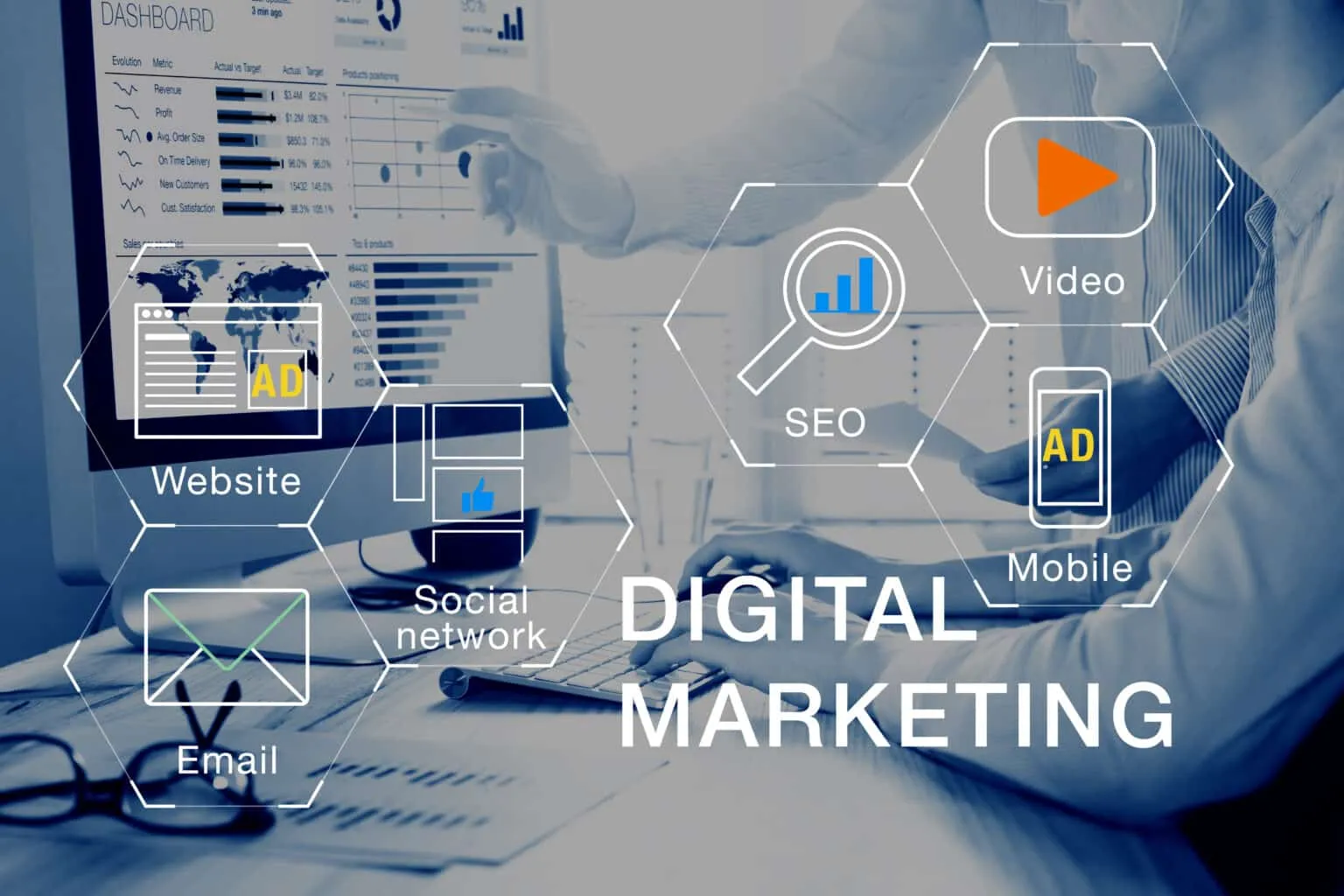


In today’s digital-first world, your website isn’t just an online brochure; it’s the core of your digital marketing strategy. For startups, this can be the make-or-break factor between building trust instantly or losing potential customers in seconds. Studies show that users form an opinion about a website within 0.05 seconds, and 38% leave if the design feels outdated or confusing. But here’s what most early-stage founders miss: web design and development aren’t just about “making it look good.” A truly startup-friendly website is fast-loading, mobile-first, SEO-optimized, and built for conversions from day one. Think of it as your digital growth engine. If the foundation is weak, no amount of ads or content marketing will scale sustainably.
Web Design And Web Development: What Startups Need to Know
Many startup founders assume web design and web development are the same, but they serve very different purposes in your growth journey.
What is Web Design?
Web design and digital marketing are all about the visual experience, how your site looks, feels, and guides the user. It includes layouts, colours, typography, and the overall user interface that shapes your brand’s first impression. A good design doesn’t just look attractive; it makes navigation effortless and encourages visitors to take actions, such as signing up or making a purchase.
Key aspects of web design include:
- UI/UX design – creating intuitive layouts that guide users smoothly
- Branding consistency – colours, typography, and visuals that reflect your startup’s identity
- Conversion-focused layouts – strategic placement of CTAs, forms, and offers
- Mobile-first responsiveness – ensuring design adapts to all screen sizes
A great web design for a startup captures attention, builds instant trust, and conveys your message clearly and concisely.
What is Web Development?
Web development is the technical foundation that enables your site to be functional, fast, and secure. It covers clean coding, database management, responsive frameworks, and performance optimization to ensure your website runs smoothly on every device. Without strong development, even the most stunning design can fail due to slow loading times or technical errors.
Key aspects of web development include:
- Front-end development – coding what users see (HTML, CSS, JavaScript)
- Back-end development – managing servers, databases, and integrations
- Site performance – ensuring fast loading times and optimized code
- Security & scalability – protecting data and preparing for growth
Without solid development, even the best design will fail in speed, SEO, or usability.
How do They Influence SEO, Branding, and User Retention?
Both are critical because they directly impact your startup’s ability to grow online. Search engines prioritize websites that are fast, mobile-friendly, and well-structured, which can only be achieved through solid development. At the same time, great design enhances user experience, reduces bounce rates, and encourages visitors to explore more pages, which in turn strengthens SEO signals. Together, design builds trust and emotional connection, while development ensures long-term performance and scalability, turning your website into a true growth asset rather than just an online placeholder.
Key Elements of a Startup Website That Drives Digital Success
A startup website is more than just an online presence; it is the foundation of your digital marketing strategy. If it is poorly structured or slow, every other marketing effort, such as SEO, ads, or social media campaigns, will struggle to perform effectively. To truly drive growth marketing for startups, your website must be built with both users and search engines in mind. These are the essential elements that make a startup website a powerful digital asset.
Mobile-First, Responsive Design for Modern Users
Most users today browse on smartphones, and search engines like Google prioritize mobile-friendly websites. A mobile-first design ensures that your website adapts seamlessly to any screen size without breaking the layout or usability. This improves user experience and impacts your rankings, as Google uses mobile indexing first. For startups, this means designing for the smallest screen before scaling up to desktop, ensuring the site remains lightweight and easy to navigate across all devices.
Fast Loading Speed and Performance Optimization
Speed is critical for both users and SEO. Research shows that 53% of visitors leave a site if it takes more than three seconds to load. For a startup, every lost visitor is a lost opportunity. Optimizing performance involves using lightweight code, compressing images, employing caching techniques, and utilizing a reliable hosting solution. A fast site improves search engine rankings, lowers bounce rates, and enhances overall conversion potential.
Precise Navigation and Conversion-Focused Layouts
Your website should guide visitors naturally towards the actions you want them to take, whether it is signing up, booking a demo, or making a purchase. Straightforward navigation means having intuitive menus, well-structured content, and visible calls-to-action. A startup website should be simple, minimizing the number of clicks it takes for a visitor to find key information. Conversion-focused layouts do not overwhelm users; instead, they lead them step by step through a seamless journey that builds trust and drives results.
SEO-Friendly Site Structure for Better Visibility
Even the best-designed site will not perform if search engines cannot crawl and understand it. An SEO-friendly site structure means using clean URLs, a logical content hierarchy, and internal linking that helps both users and search bots navigate the site. Organizing content into clear categories, creating pillar pages, and avoiding deep page nesting improve indexing and boost your chances of ranking for valuable keywords. For startups, this early attention to SEO structure can save months of technical fixes later.
A startup website that combines responsive design, fast performance, straightforward navigation, and SEO-friendly architecture not only looks professional but also actively works as a growth engine, attracting traffic, retaining users, and converting visitors into paying customers.
How Web Design Impacts SEO and Digital Marketing
For startups, web design is not just about aesthetics; it directly affects how search engines rank your site and how users interact with it. A visually appealing website may create a strong first impression, but if it is not optimized for usability and SEO, it can negatively impact your digital marketing results.
User Experience and Engagement Signals
Search engines pay attention to how users behave on your site. If visitors leave quickly due to poor navigation or confusing layouts, it sends negative signals that can affect rankings. A well-designed site keeps users engaged, encourages them to explore more pages, and lowers bounce rates, all of which strengthen your SEO performance.
Mobile-Friendly Design and SEO Benefits
Google now uses mobile-first indexing, which means your mobile site is the primary version it evaluates for indexing. If your web design is not responsive or optimized for smaller screens, your search visibility can drop. A startup that focuses on mobile-friendly design from the beginning ensures better accessibility for users and stronger SEO results.
Page Speed and Technical SEO
Design choices directly impact site speed. Heavy visuals, unoptimized images, or complex layouts can slow down loading times, which frustrates users and lowers your rankings. A clean, minimal design that uses optimized media supports better technical SEO and improves overall site performance.
Brand Consistency and Digital Marketing ROI
Your website design also plays a key role in branding. Consistent colours, typography, and visuals build trust and make your startup memorable. When combined with strong SEO practices, this consistency helps your digital marketing campaigns convert more effectively by creating a seamless user experience across ads, social media, and your website.
In short, web design and SEO are deeply connected. A startup that prioritizes user-friendly, fast, and mobile-responsive design gains higher rankings, better engagement, and stronger results from all digital marketing efforts.
The Role of Web Development in a Startup’s Digital Growth
While design shapes how your website looks and feels, web development determines how it works. For startups aiming to grow digitally, solid web development is not optional; it is the foundation that supports SEO, marketing campaigns, and user experience.
Clean, Scalable Code for Long-Term Growth
Startups often evolve quickly, adding new features or scaling their platforms. A well-developed site utilizes clean, scalable code that can expand with the business without compromising existing functionality. This makes future updates, integrations, and optimizations much easier and more cost-effective.
Performance and Security as a Priority
A poorly developed website can be slow, unstable, or even vulnerable to attacks. Performance optimization, including minimizing scripts, enabling caching, and utilizing a reliable hosting environment, helps keep your site running smoothly. Strong security practices, such as SSL certificates and regular updates, protect your data and build trust with users, which is crucial for any new brand.
SEO-Ready Development Practices
Web development has a direct impact on how search engines crawl and index your site. A proper URL structure, schema markup, clean HTML, and fast-loading pages all contribute to improving technical SEO. Without these elements, even the best content might struggle to rank, limiting your organic reach.
Better Integration with Marketing Tools
A well-developed site makes it easier to integrate with analytics, CRM systems, email marketing tools, and automation platforms. These integrations help you track user behaviour, measure conversions, and refine your marketing strategies, turning your website into an actual growth engine rather than just a static page.
In essence, web development ensures your startup website is fast, secure, SEO-friendly, and ready to scale. Without this strong technical foundation, even great design and content cannot deliver long-term results.
Purpose Path: Building Scalable Web Design and Development Solutions for Startups
Purpose Path, a trusted name in digital marketing agencies for startups, creates websites that go beyond just looking good. Our focus is on designing and developing technically strong, performance-driven websites that help startups scale their operations. From responsive, mobile-first designs to clean, SEO-friendly development, every step is crafted to improve user experience, drive conversions, and support long-term growth.
We have worked with both emerging startups and established brands, which allows us to blend innovation with proven best practices. Our goal is to give startups a solid digital foundation for websites that are fast, secure, optimized for search, and ready to grow as the business evolves. We consistently develop the best digital strategies for new businesses.
FAQs
What makes web design necessary for a startup’s digital marketing?
Web design is the first impression your startup makes online. A well-designed site enhances user experience, fosters trust, and directs visitors toward taking action, whether that’s signing up, booking a demo, or making a purchase. It also directly impacts SEO, as search engines prioritize mobile-friendly and user-friendly websites. For a startup, good web design ensures your digital marketing efforts don’t go to waste by losing potential leads due to poor usability.
How does web development affect SEO and site performance?
Web development lays the technical foundation for SEO. Clean code, fast-loading pages, secure hosting, and structured data all help search engines crawl and index your site more effectively. A poorly developed website can slow down, break under traffic, or even harm rankings due to technical issues. For startups, strong web development ensures your site can handle growth while maintaining performance and visibility.
Should startups invest in custom websites or templates?
Templates can be a quick and affordable option, but they often come with limitations in terms of scalability, speed, and SEO flexibility. Custom websites are tailored to your business goals, making them easier to optimize for performance, user experience, and long-term growth. For startups aiming to scale and compete digitally, a well-planned custom site often delivers better ROI in the long run.
What features should every startup website have?
Every startup website should be mobile-responsive, fast-loading, and SEO-friendly. It should feature straightforward navigation, strong calls-to-action, optimized landing pages, and seamless integrations with marketing tools such as analytics and CRMs. Security features, such as SSL certificates and regular updates, are also essential for building trust with users. These elements together create a website that not only attracts visitors but also converts them into customers.
How can a startup ensure its website stays scalable?
Scalability stems from selecting the right technology stack, adhering to clean development practices, and utilizing a well-structured content management system. As your startup grows, you’ll need to add new features, pages, or integrations without compromising the site’s performance. Planning for scalability from the outset prevents costly redesigns later and ensures your website can evolve in line with your business needs.


